Empowering Community-based Air Quality Monitoring through the South Coast AQMD Sensor Library Program (U.S. EPA Grant 5X-98T58401-0)
South Coast AQMD was awarded a U.S. EPA grant to expand a Sensor Library Program. This grant will also enhance air monitoring in Southern California communities using community, government, and academic partnerships to deploy sensors to reflect community concerns. The data can inform community-led action plans to reduce local pollutant emissions, exposures, and negative health outcomes from air pollution. Sensor deployments in various community groups commenced in 2025 and are ongoing.
The project activities will be guided by three objectives:
Enhance and expand South Coast AQMD's existing pilot Sensor Library
Loaning out 56 devices, containing 97 sensors that measure pollutants the community cares about, like PM2.5, PM10, NO2, O3, and VOC
Engage communities to improve local air quality
Partnering with 4 community groups to deploy sensors in their neighborhood, conduct workshops, tell their story, and develop action plans; increasing grassroots community air monitoring capacity with the Spanish sensor guidebook
Empower students with STEM learning opportunities in air quality
Giving students hands-on experience installing, deploying, and maintaining sensors, as well as analyzing sensor data and presenting to community members
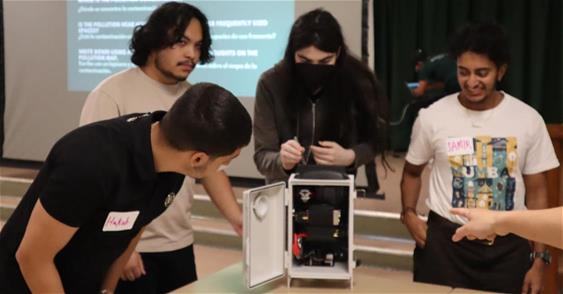
Cal State University Northridge students show-and-tell a sensor at a community event in the San Fernando Valley
Community members, students, and government representatives from the four Sensor Library Grant communities convened to share progress and discuss future actions during the All-Community Workshop at South Coast AQMD headquarters in Diamond Bar on April 10th, 2026.
Community Partners in the Sensor Library Program
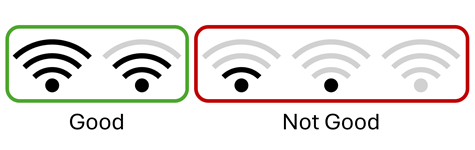
Sensors purchased under this grant are primarily available for loan to the four Project Areas, in coordination with the Community Partners. These sensors may eventually be available for loan to people in the South Coast AQMD jurisdiction. All potential borrowers must submit a completed Sensor Loan Form to AQ-SPEC staff to borrow a sensor. Borrowers must submit 3 photos of the proposed deployment site to show the surrounding area and the location of the power outlet relative to the sensor. Borrowers must also confirm the Wi-Fi signal strength is not weak at the proposed installation location for sensors requiring a Wi-Fi connection.
Calibrated data from air quality sensors in the Sensor Library Program can be viewed, compared, and downloaded via the JustAir dashboard:
The available sensors were selected with input by Community Partners. Inclusion of a product in the Sensor Library Program does not constitute South Coast AQMD endorsement or recommendation for use.
| Image |
Name |
Quantity |
Pollutants Measured |
Features |
How is it used? |
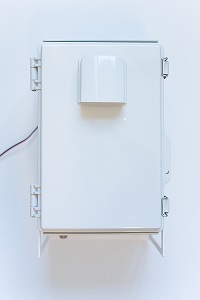 |
Aeroqual
AQY-R |
12 |
PM2.5, PM10, O3, NO2 |
Not portable |
Sensor must be secured to a pole or wall,
plugged into a 110v outlet, and connected to Wi-Fi
|
| No battery |
| Measures particles |
| Measures gases |
| Data streams to web dashboard |
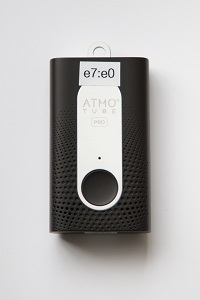 |
Atmotube Pro |
10 |
PM1, PM2.5, PM10 |
Portable |
Sensor sends data to a mobile device via Bluetooth and data can be exported via the Atmotube app |
| Battery |
| Measures particles |
Data streams to mobile device via Bluetooth
|
GPS enabled
|
| Not waterproof |
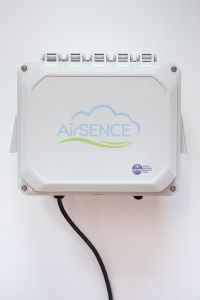 |
A.U.G.
Signals
AirSENCE |
2 |
PM1, PM2.5, PM10, O3, NO2, CO |
Not portable |
Sensor must be secured to a pole or wall,
plugged into a 110v outlet, and connected to Wi-Fi
|
| No battery |
| Measures particles |
| Measures gases |
| Data streams to web dashboard |
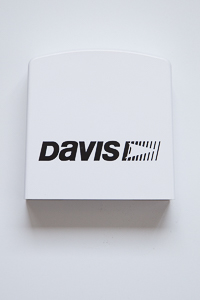 |
Davis
Airlink |
10 |
PM1, PM2.5, PM10 |
Not portable |
Sensor must be secured to a pole or wall,
plugged into a 110v outlet, and connected to Wi-Fi
|
| No battery |
| Measures particles |
| Data streams to web dashboard |
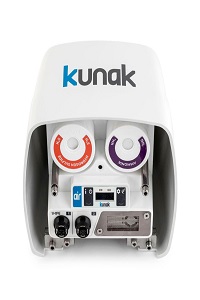 |
Kunak
Air Lite |
4 |
PM1, PM2.5, PM10, O3, NO2 |
Not portable |
Sensor must be secured to a pole or wall, plugged into a 110v outlet
|
| Battery |
| Measures particles |
| Measures gases |
| Data streams to web dashboard |
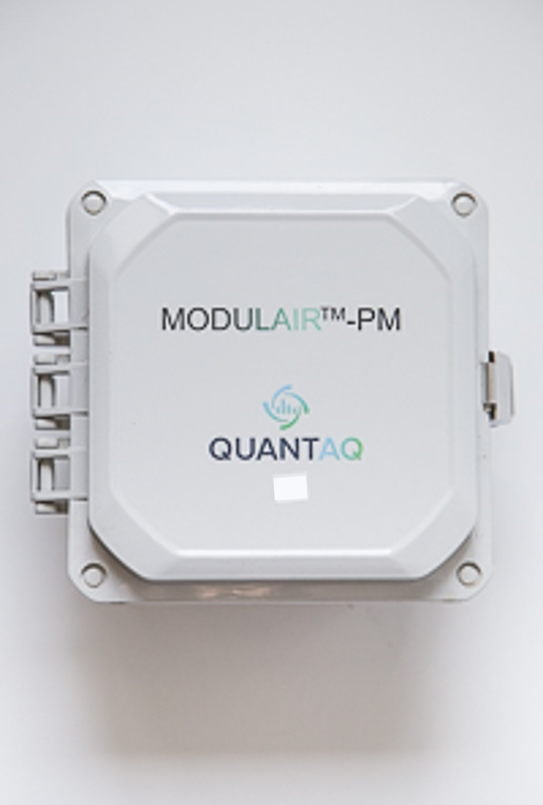 |
QuantAQ
MODULAIR-
PM |
5 |
PM1, PM2.5, PM10 |
Not portable |
Sensor must be secured to a pole or wall, plugged into a 110v outlet |
| No battery |
| Measures particles |
| Data streams to web dashboard |
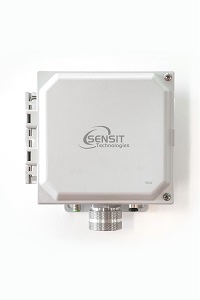 |
Sensit
SPOD |
3 |
PM1, PM2.5, PM10, tVOC |
Not portable |
Sensor must be secured to a pole or wall, plugged into a 110v outlet (solar powered option available)
|
| Battery |
| Measures particles |
| Measures gases |
| Data streams to web dashboard |
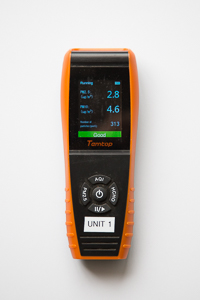 |
Temtop
LKC-1000S+ |
10 |
PM2.5, PM10 |
Portable |
Sensor can be used as a portable handheld device |
| Battery |
| Measures particles |
Not waterproof
|
| Data downloadable via USB |
Frequently Asked Questions
Loaned equipment is to be used for environmental educational/informational purposes only. Loans do not constitute the endorsement of a commercial product by South Coast AQMD. This equipment is not intended or approved for source identification, regulatory, commercial, or legal purposes.